
About This Event
Join us for NAMI Vermont’s virtual Lunch & Learn series, held on the first Wednesday of every month from 12:00–1:00 p.m. beginning December 3rd. Each session features a different topic related to mental health, wellness, advocacy, and community support.
Whether you’re a peer, family member, provider, or simply curious to learn more, these one-hour sessions offer valuable insights and practical tools in a relaxed, lunchtime format.
We hope you can join us for our next lunchtime chat!
Lunch & Learn Schedule
- When: First Wednesday of every month, starting December 2025
- Time: 12:00–1:00 p.m. ET
- Where: Online via Zoom
- Cost: Free (registration required)
How to Participate
Registration is required to attend. Once registered, you’ll receive a Zoom link and reminders ahead of each session. Learn more about our speakers and their journeys below.
What to Expect
- Expert speakers or panelists
- Interactive Q&A
- Resources and follow-up materials
Topics will vary month to month — check back often for updates and follow us on social media to stay informed!
Matthew Dickson is a mental health advocate who has successfully recovered from schizophrenia and made history as the first person with the condition to bicycle across Canada. In this inspiring session, Matthew shares the strategies that helped him on his path to recovery, along with a powerful message of hope for others facing mental health challenges. His story is a testament to perseverance, and a reminder that healing is possible — one step, one pedal, one day at a time.
Learning Objectives
By the end of this session, participants will be able to:
- Explore practical tools for enhancing overall mental wellness, applicable to individuals from all walks of life.
- Identify strategies and resources that support recovery from schizophrenia, including approaches to reduce or eliminate hallucinations.
- Gain insight from Matthew Dickson’s personal journey as the first person with schizophrenia to bicycle across Canada, highlighting resilience and determination.

Matthew Dickson’s Bio:
Matthew Dickson helps people with mental illness in developing countries so they can get access to basic mental health care at MindAid.ca. Mind Aid is the world’s first website with all the organizations working on mental health in developing countries on one site (they are otherwise scattered across the web). These organizations use models of basic mental health care that are low-cost, proven effective, and scalable. Some of these organizations have been endorsed by Bill Clinton, Forest Whitaker, Arcade Fire, Ashley Judd, as well as Zak Williams (son of Robin Williams) and Tim Shriver, founder of the Special Olympics.
Matthew has successfully recovered from schizophrenia and has bicycled across Canada twice.
He also created www.DonateIndigenous.ca, listing the indigenous charities in Canada, so people can know where to donate to offer their help and support.
This interactive Lunch and Learn explores the powerful connection between the mind and body-specifically how nutrition impacts mood, stress, energy, and overall mental well-being. Led by Ashleigh Angle, Registered Dietitian, from No Diet Dietitian. This session will highlight evidence-based strategies to nourish both brain and body, support clients struggling with anxiety, depression, and disordered eating, and foster a more compassionate, sustainable approach to food.
Participants will walk away with practical tools and clinical insights that can be applied immediately, whether in direct patient care, behavioral health settings, or personal wellness.
Learning Objectives
By the end of the session, participants will be able to:
- Understand the relationship between nutrition, neurotransmitter production, and mental health symptoms (e.g., mood, fatigue, cognition).
- Identify how disordered eating, poor intake, or nutrient deficiencies can influence emotional regulation and mental resilience.
- Recognize red flags for when to refer clients to a Registered Dietitian for specialized nutrition support.
- Apply simple, evidence-based nutrition and self-care strategies to help clients build balanced, mindful eating habits.
- Collaborate effectively across disciplines (therapy, psychiatry, primary care) to support whole-person mental health care.

Ashleigh Angle’s Bio:
I am passionate about helping individuals achieve their health and performance goals through personalized, sustainable strategies. Whether working with clients navigating medical conditions, fueling for athletic competition, or improving everyday habits, I combine evidence-based care with empathy and a deep understanding of what it takes to push both body and mind.
As a competitive CrossFitter, I bring unique insight into the demands of high-intensity training, recovery, and fueling. My approach emphasizes functional health, resilience, and helping clients feel and perform their best—both in and out of the gym.
How can we turn complex research on child mental health into simple, practical tools that families and providers can actually use? In this virtual Lunch & Learn, Bryn Loftness, researcher and founder of Biobe, will share how her team translates cutting-edge biobehavioral science into tools that nurture children’s emotional wellness—starting with Sprout Foundations, a 50-strategy toolkit developed for families and pediatric settings. Participants will learn about the science behind these tools, see them in action through a few quick examples, and explore Biobe’s free online decision framework for matching strategies to common emotional or behavioral challenges. Bryn will also share real-world stories and early successes from families and clinicians using these approaches and provide follow-up materials for continued learning and application.
Learn more about Biobe at www.biobe.org and about Bryn at www.brynloftness.com.
Learning Objectives
By the end of this virtual session, participants will be able to:
- Describe how evidence-based research on child emotional wellness is translated into practical, family-friendly tools.
- Identify how Biobe’s Sprout Foundations toolkit can support early emotional health and care coordination across home and clinical settings.
- Practice 1–3 actionable techniques for supporting children through worries, outbursts, and attention challenges.
- Explore Biobe’s free online decision framework for matching strategies to common emotional or behavioral needs.
- Hear real-world examples and early success stories of how families and clinicians are applying these approaches.
- Access follow-up materials and resources for continued learning and application after the event.
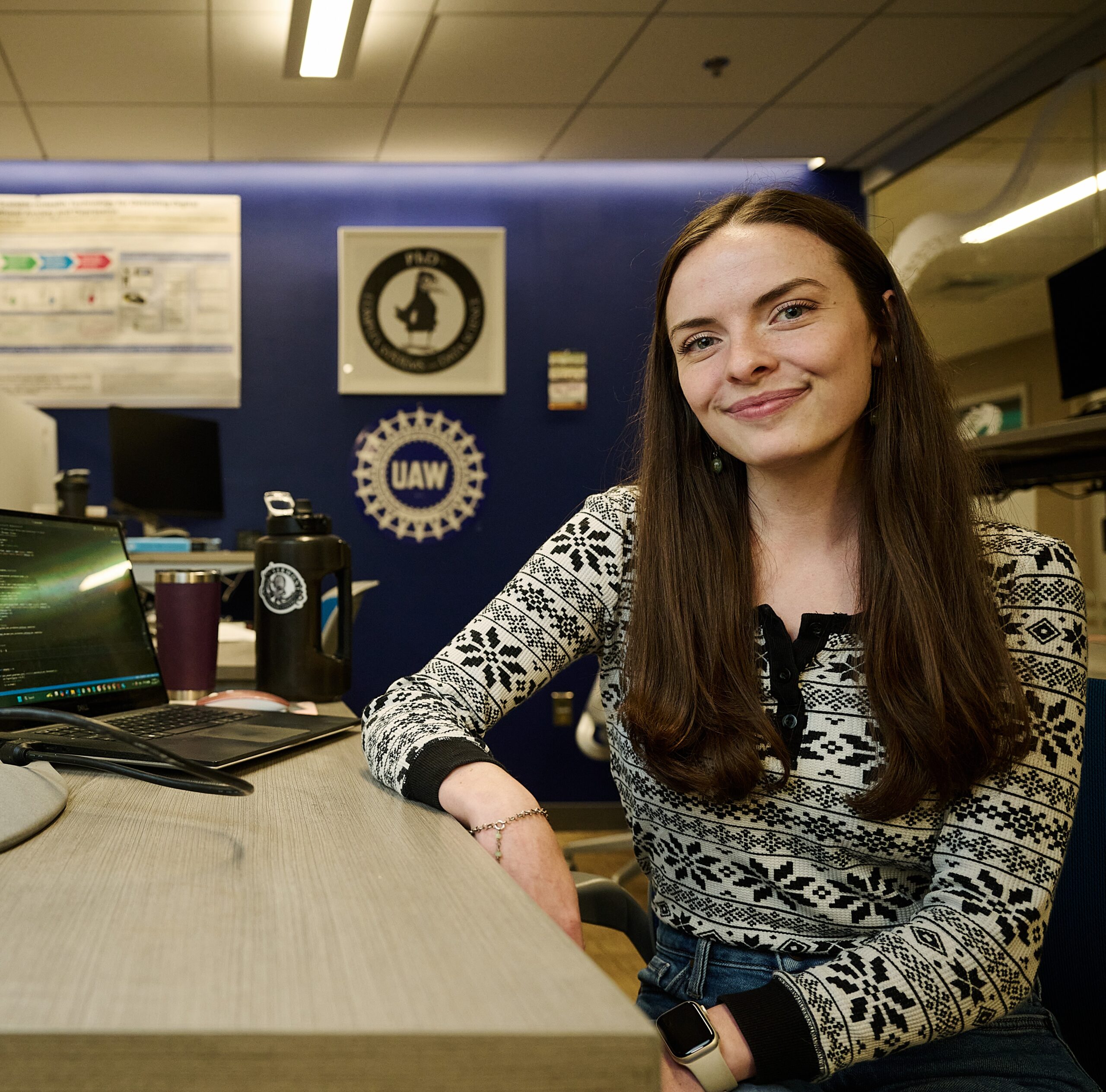
Bryn Loftness‘s Bio:
Bryn C. Loftness is a researcher, founder, and PhD candidate in Complex Systems & Data Science at the University of Vermont, where her work focuses on pediatric mental health, biobehavioral sensing, and translational design. She co-founded Biobe, a Vermont-based company that transforms scientific research into practical, family-centered tools supporting children’s emotional wellness—beginning with Sprout Foundations, a 50-strategy toolkit designed to strengthen emotional regulation and resilience.
An Editor’s Pick TEDx speaker with more than 40,000 views, Bryn is known for translating complex science into accessible, human-centered stories. Her multidisciplinary work bridges technology, psychology, and community engagement, and she collaborates with NAMI Vermont, visiting middle and high schools across the state to help students and educators build understanding and reduce stigma around mental health. Her advocacy, research, and entrepreneurial efforts have been supported by the National Science Foundation Graduate Research Fellowship, UVM SPARK, Vermont Ventures, and the LaunchVT program. Her mission is to make evidence-based tools approachable and actionable—empowering families, educators, and clinicians to act early and collaboratively in supporting children’s mental health.
Front Porch is Vermont’s first 24/7 mental health urgent care and crisis stabilization residence offering a home-like, compassionate environment for individuals experiencing emotional or psychiatric crisis. This session will provide an overview of what a crisis stabilization stay looks like—from arrival and supportive interventions to length of stay and post-crisis follow-up planning. We’ll also discuss how families, providers, peers, and support networks can remain involved, ask informed questions, and help create a smooth transition back to community life.
Learning Objectives
By the end of this virtual session, participants will be able to:
- Define the role of a Crisis Stabilization Unit (CSU) in mental health care, including the types of crises it addresses and the supports it provides.
- Describe the care team and services available, including therapeutic interventions and the importance of trauma-informed, person-centered approaches.
- Explain what to expect during a crisis stay, including typical length of stay and factors that influence it.
- Identify key components of post-crisis follow-up, such as discharge planning, community-based supports, and the role of follow-up appointments.
- Empower individuals and families to ask informed questions before, during, and after a crisis stabilization stay.

Josh Burke‘s Bio:
Josh Burke, LICSW, is the Director of Emergency Services at Northeast Kingdom Human Services, where he oversees the region’s crisis continuum including Mobile Crisis, the 988 Lifeline call center, embedded crisis clinicians, and Front Porch — Vermont’s first 24/7 mental health urgent care and stabilization. Josh has more than a decade of experience in community mental health, systems development, and crisis service innovation across rural and urban settings. His work focuses on building trauma-informed, person-centered alternatives to emergency department reliance, ensuring individuals and families can access care in moments of need without barriers. In addition to his leadership role, Josh maintains a psychotherapy practice and serves in community support roles in the Northeast Kingdom, where he lives with his wife and children.